First Reading • Ezekiel 18:25-28
Psalm • Psalm 25:4-5, 6-7, 8-9
Second Reading • Philippians 2:1-11
Gospel • Matthew 21:28-32
When Scott-Vincent Borba was only ten years old, something happened during Sunday Mass that he never forgot. He felt that God was calling him to become a priest.
But instead of being excited, he was frightened.
Even at ten years old, Scott thought, “I’m not worthy of this.” So he pushed the thought away.
As the years passed, he continued going to Mass and occasionally to confession, but gradually his faith moved to the edges of his life.
He knew God was there, but he was determined to follow his own plans.
And by worldly standards, those plans worked extremely well.
As a teenager, Scott struggled with acne and obesity and became very self-conscious about his appearance. Those experiences eventually led him into the beauty and cosmetics industry.
He became an aesthetician, worked with major cosmetic brands, and built successful businesses.
Eventually, he helped launch e.l.f. Cosmetics and became extremely wealthy.
He had the kind of life many people dream about: money, a beautiful home, luxury cars, successful businesses, celebrities, parties, travel, and recognition.
From the outside, it looked as though Scott had everything.
But there was one problem.
He wasn’t happy.
In 2019, during a party at his home, surrounded by people and everything his success had provided, Scott suddenly experienced a profound sadness and emptiness.
He began to see his life differently. He realized that all the things he had worked so hard to acquire could not satisfy the deepest longing of his heart.
And the call he had first heard as a ten-year-old boy came back.
Priesthood.
This time, Scott listened.
He began praying seriously. Gradually, he sold his possessions, withdrew from his business ventures, and gave generously to the poor.
In 2021, he entered Saint Patrick’s Seminary in California.
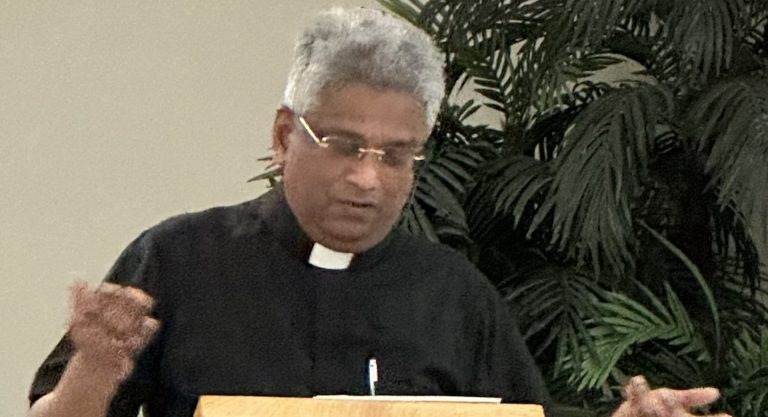
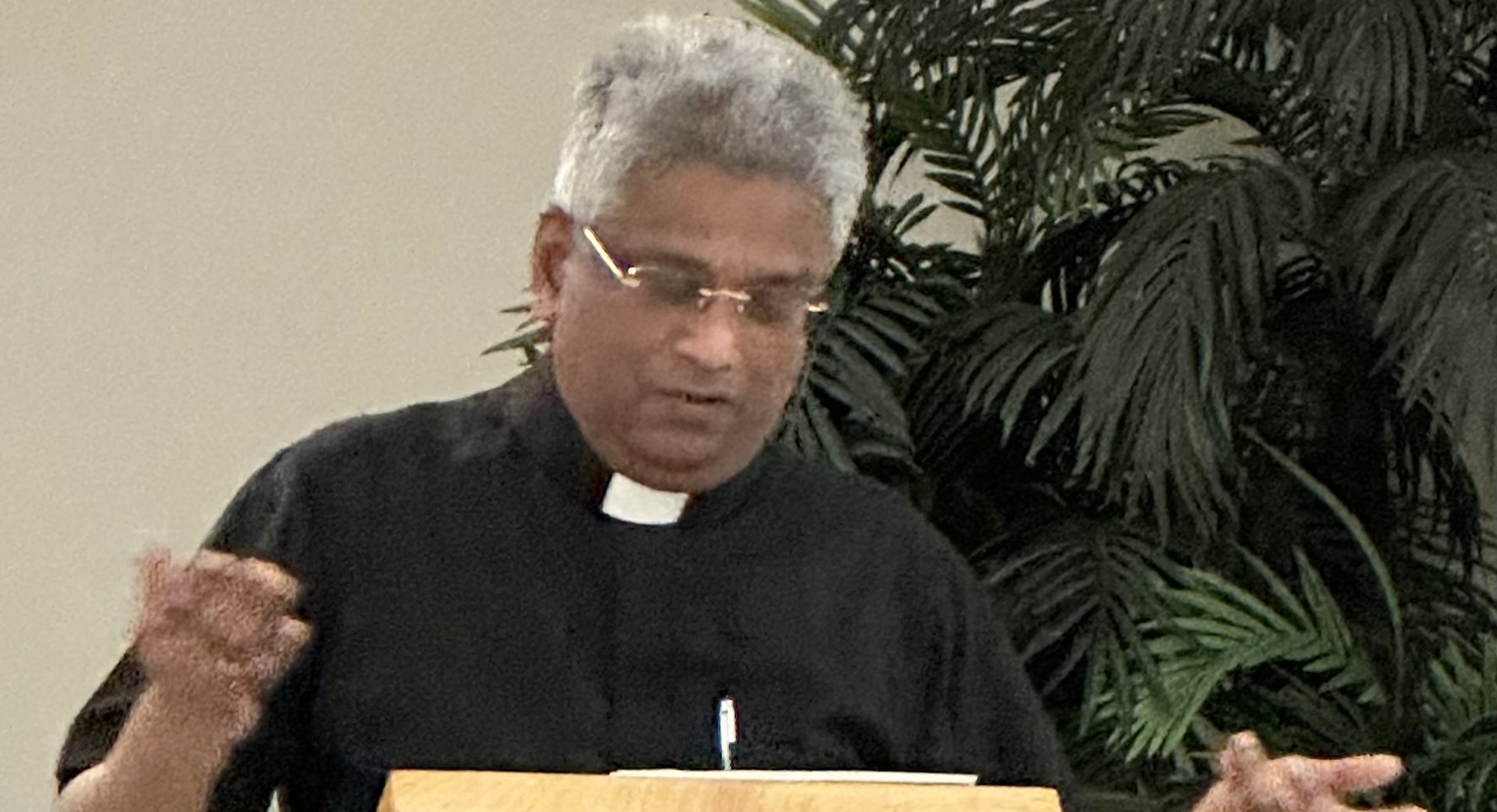
In May 2026, at the age of 52, the former businessman and millionaire was ordained Father Scott-Vincent Borba for the Diocese of Fresno.
Think about that journey.
At ten years old, God said, “Come.”
Scott said, “No.”
God waited.
Years passed. Scott became successful, wealthy, and famous.
And God continued calling.
Finally, Scott said, “Yes.”
That is why his story connects so beautifully with Jesus’ parable in today’s Gospel.
A father asks his first son to go and work in the vineyard. The son answers, “I will not.” But later, he changes his mind and goes.
The second son says all the right things: “I am going, sir.” But he never goes.
Then Jesus asks the simple question: Which of the two did the will of his father?
The answer is obvious: the first son.
He began with a “no,” but his “no” did not have the final word.
That is good news for every one of us.
Perhaps there have been times when we have said “no” to God. Perhaps God has been asking us to forgive someone, return to prayer, come back to the sacraments, change a sinful habit, serve someone in need, repair a relationship, or use our gifts more generously.
Maybe we have been saying, “Not now, Lord.”
Or perhaps we think, “I am not good enough. I have made too many mistakes. God couldn’t possibly use someone like me.”
Fr. Borba’s story reminds us: It is never too late to change our answer.
God is remarkably patient with us. He does not give up simply because our first answer is “no.”
Fr. Borba once advised those struggling with God’s call to ask the Lord for patience and guidance. His experience taught him something he had not understood during his years of worldly success: when we put God first, everything else begins to find its proper place.
Of course, saying “yes” to God does not mean that life suddenly becomes easy.
Sometimes God’s will requires sacrifice. We may have to surrender something we enjoy. We may have to change direction.
We may have to leave behind something familiar. We may even discover that God’s plan is very different from the one we had carefully prepared for ourselves.
But there is a difference between having everything and having peace.
Scott Borba had almost everything money could buy, but something was missing. When he finally surrendered himself to God, he discovered what possessions could never give him: a purpose rooted in God’s will.
And God is calling each of us – not necessarily to priesthood or religious life, but certainly to holiness.
From the day of our Baptism, Jesus has been saying to each of us:
“Follow me.”
So today, perhaps the most important question is not, “What did I say to God yesterday?”
The question is:
“What will I say to God today?”
If yesterday’s answer was “no,” today it can become “yes.”
If we have wandered away, we can return.
If we are afraid, we can ask for courage.
And if God is asking us to let go of something, we can trust that whatever we surrender into his hands is never greater than what he can give us in return.
Our first answer does not have to be our final answer.It is never too late to say, “Yes, Lord. I will go into your vineyard.”